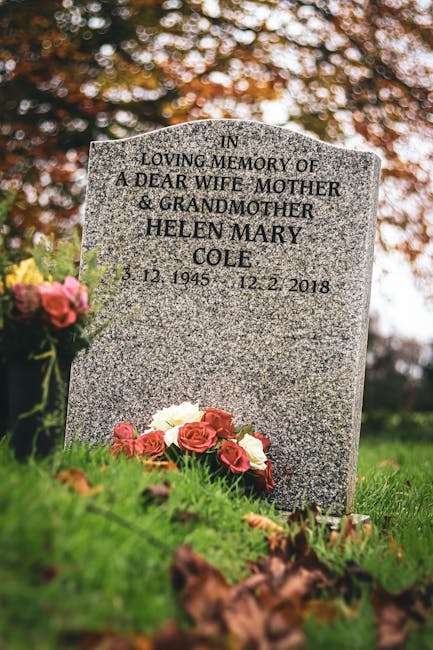
What to know about cemetery floral rules in Redbridge council
Posted on 19/10/2026
If you are trying to place flowers at a grave in Redbridge, the rules can feel a bit fiddly at first. What to know about cemetery floral rules in Redbridge council is not just about "can I bring flowers?" - it is about where they can go, how long they stay, what is considered respectful, and what might be removed by staff. That matters when you are already dealing with grief, a family visit, or the simple wish to leave something beautiful behind. This guide breaks it down clearly, in plain English, so you can make the right choice without second-guessing yourself.
You will find practical guidance here on arrangements, seasonal changes, common mistakes, and how to choose flowers that are more likely to be accepted and cared for well. Truth be told, these small details save a lot of upset later.
Why What to know about cemetery floral rules in Redbridge council Matters
Cemetery flower rules are there for a reason, even if they can feel strict when you are standing at a graveside with a bunch of blooms in your hands. Cemeteries have to balance remembrance, maintenance, access, safety, and dignity for many families at once. If everyone left large displays, loose items, glass containers, or very different styles of tributes, the space would quickly become cluttered and harder to look after.
In Redbridge, as in many London boroughs, cemetery teams usually aim to keep burial grounds tidy and respectful for everyone visiting. That means floral items may need to follow local expectations about size, placement, materials, and removal. A small arrangement in a sturdy container may be fine in one setting, while a large basket, balloon, or artificial piece might not be suitable in another. So the real question is not simply "do flowers belong here?" but "what kind of flowers work within this cemetery's setting?"
There is also an emotional side to this. Many people visit a grave on a birthday, anniversary, or religious occasion and want the tribute to feel right. If you have ever seen flowers lifted by the wind, waterlogged by rain, or tucked awkwardly beside a stone because the base was too large, you will know how quickly good intentions can turn messy. A bit of planning helps the tribute stay dignified and easier to maintain.
Expert summary: the safest approach is to keep cemetery flowers simple, secure, seasonally sensible, and easy for staff or family members to maintain. If in doubt, smaller and sturdier is usually the better bet.
How What to know about cemetery floral rules in Redbridge council Works
While every cemetery can have its own specific rules, the general pattern is straightforward. You choose a tribute that fits the space, place it where allowed, and make sure it does not obstruct maintenance, pathways, or nearby memorials. Some cemeteries allow flowers directly on graves, while others prefer them in designated spaces or fixed holders. That distinction matters more than people realise.
Most floral rules revolve around a few practical questions:
- Will the arrangement stay stable in wind and rain?
- Does it interfere with mowing, clearing, or general upkeep?
- Is it made from materials that can be safely removed or recycled?
- Could it block access or create a trip hazard?
- Does it fit the tone of the cemetery and the needs of other visitors?
In real life, that often means fresh flowers are easier to accept than bulky decorative extras. A compact tribute in a vase or florist-fitted container tends to work well because it is neat and less likely to topple. By contrast, plastic wrapping, loose cellophane, ribbons that trail across the ground, and brittle artificial stems can become awkward quickly. Not always, but often enough that it is worth checking before you go.
If you are arranging flowers for a funeral or memorial, you may also want to think ahead to the setting where the tribute will end up. A spray that looks beautiful at a service can be too large for a grave plot afterward. That is why some families use items from funeral flowers or a smaller sympathy design rather than a large display meant only for the chapel. The practical side matters just as much as the visual side.
Fresh flowers versus longer-lasting options
People often ask whether artificial flowers are allowed, and the honest answer is: it depends on the cemetery and the condition of the memorial area. Even when permitted, they may be discouraged if they create litter in bad weather or if the cemetery has to remove them during maintenance. Fresh flowers, especially those chosen for resilience, usually feel more appropriate for graveside use because they age naturally and can be replaced without much fuss.
That said, not every family can visit regularly. If you are choosing a tribute that needs to last a bit longer, think about compact arrangements with sturdy stems and a secure base. A respectful compromise is often a simple vase arrangement rather than something oversized or heavily decorated.
Key Benefits and Practical Advantages
Following cemetery floral rules is not about being overly cautious. It actually makes things easier. A well-chosen tribute is more likely to be accepted, remain attractive, and avoid being removed or damaged. That saves time and, more importantly, avoids the awkward feeling of doing the "right" thing in the wrong format.
- Less risk of removal: simple, stable arrangements are less likely to be cleared away by cemetery staff.
- Better presentation: flowers that suit the site tend to look tidier for longer.
- More respectful placement: you avoid blocking neighbouring graves or pathways.
- Easier upkeep: family members can manage the tribute more easily between visits.
- Lower stress: you do not have to wonder if you have broken an unspoken rule.
There is also a practical budgeting advantage. Large bespoke tributes can be lovely, but for a cemetery visit you may not need them. A smaller, thoughtful arrangement can be just as meaningful. In fact, some of the most touching grave tributes are the simplest ones - a few carefully chosen stems, tied neatly, maybe in white or soft pastel tones. Nothing flashy. Just sincere.
If you need a good balance of value and appearance, you might explore a sensible selection such as best-selling flower arrangements or a modest seasonal bouquet. These can be a practical starting point when you want something tasteful without going overboard.
Who This Is For and When It Makes Sense
This guide is for anyone planning to place flowers at a grave, memorial, or burial plot in Redbridge. That includes family members, close friends, funeral organisers, and people visiting on a specific remembrance day. It is also useful if you are ordering flowers on behalf of someone else and want to avoid sending the wrong style for the setting.
It makes sense especially when:
- you are visiting a cemetery for the first time;
- you are unsure whether fresh or artificial flowers are appropriate;
- you need flowers for a memorial date, burial, or graveside blessing;
- you want a tribute that will not be removed during maintenance;
- you are ordering from a florist and need to explain the setting clearly;
- you are balancing respect, budget, and practicality.
A common scenario: someone orders a large, glossy arrangement because it looks beautiful online, then discovers the cemetery space is compact and formal. It happens more than you might think. The trick is to match the tribute to the place, not just to the catalogue photo. To be fair, online shopping can make everything look ready for a cathedral, a wedding, and a memorial all at once. Real life is a bit less glamorous.
If you are planning for a more personal tribute, it can help to look at flower types and styles that suit solemn occasions, such as sympathy flowers, wreaths, sprays, or simple posies. These are often easier to place and feel more in tune with cemetery etiquette.
Step-by-Step Guidance
If you are not sure where to start, use this practical order of play. It keeps things calm and reduces the chance of last-minute problems.
- Check the cemetery's rules before ordering. Look for guidance on size, materials, vase use, and whether artificial items are accepted.
- Choose the right style. For graveside use, compact arrangements, posies, small baskets, or restrained sprays are usually the safest options.
- Think about weather and timing. If it is a windy or wet day, avoid light packaging and loose accessories. Early morning visits can be quieter and easier for placement.
- Pick suitable flowers. Go for flowers that hold their shape and do not shed too much. Strong stems and dense arrangements generally travel better.
- Prepare the tribute properly. Remove unnecessary wrap, secure the base, and make sure nothing can blow away.
- Place it carefully. Keep clear of pathways, neighbouring plots, and any instructions from cemetery staff.
- Return or replace when needed. If flowers fade, remove them responsibly and refresh them if appropriate.
Here is the simplest version of the process: check, choose, place, maintain. That's it. The rest is detail, but the detail matters.
If you want a tribute that feels formal but still manageable, you may prefer a small wreath or cushion. If the memorial is newly tended or the site has limited space, a compact piece from the funeral range can be a better fit than an oversized display. Small can still be beautiful. Sometimes smaller reads as more thoughtful, actually.
Expert Tips for Better Results
After years of helping people choose flowers for sensitive occasions, one thing becomes clear: the best cemetery tributes are the ones that look calm, secure, and considered. Not the most expensive, not the most elaborate. Just the ones that belong there.
- Choose sturdy blooms: roses, chrysanthemums, lilies, carnations, and alstroemeria often perform well in tribute work because they hold shape and travel reasonably well.
- Keep colour palettes restrained: whites, creams, soft pinks, purples, and mixed muted tones often suit memorial settings better than very bright mixes.
- Use secure containers: a stable base matters more than fancy wrapping.
- Think about maintenance: if no one can visit often, opt for something that will fade gracefully rather than collapse quickly.
- Write the message simply: if you include a card, short and sincere usually wins. There is no prize for poetic overkill.
Another small but useful tip: check the size from a distance, not just from above. In a florist shop or on a kitchen table, a tribute can seem compact. At a grave, surrounded by stone and open air, it may suddenly feel much larger. That little perspective shift saves embarrassment.
If you are choosing flowers for sympathy or remembrance, you may also like something understated such as thinking of you flowers or a soft-toned basket. These can feel respectful without dominating the space.
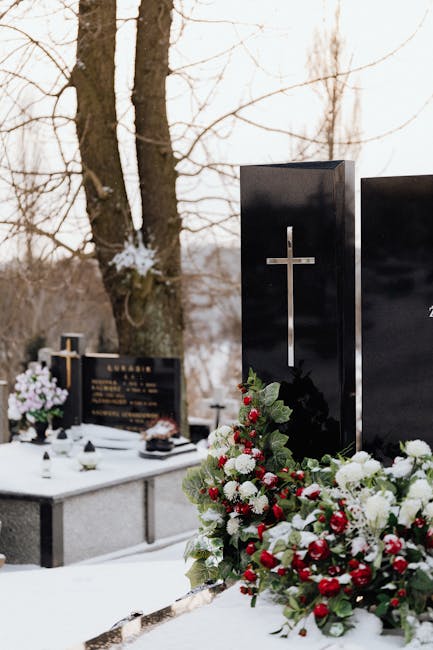
Common Mistakes to Avoid
Most problems come from good intentions and a lack of local detail. The tribute is meant to be kind, but the setting has its own practical limits.
- Leaving oversized arrangements: large pieces can block access or look out of place on a small plot.
- Using flimsy containers: light plastic or weak bases often blow over or spill.
- Adding too many extras: balloons, toys, ribbons, and decorative ornaments can become clutter quickly.
- Forgetting about maintenance days: cemetery staff may need to clear items for groundskeeping.
- Choosing flowers that wilt fast: delicate blooms may not suit hot weather or long travel.
- Assuming one cemetery's rules apply everywhere: they often do not.
There is one especially common mistake: ordering a beautiful arrangement and not saying clearly that it is for cemetery use. A florist can only work with the brief they have. If you need something compact and secure, say that directly. It sounds obvious, but it saves problems. Little details, big difference.
Tools, Resources and Recommendations
You do not need specialist equipment to follow cemetery floral rules well, but a few practical tools make life easier.
- A measuring tape or ruler: useful for checking whether a tribute will fit neatly.
- Waterproof note card: if you want a message to survive damp weather.
- Sturdy flower container: vase, basket base, or florist-secured holder.
- Clean scissors or snips: to trim stems before placement.
- Soft cloth or paper: for wiping down the base if the grave area is damp or muddy.
From a florist perspective, the best recommendation is usually to order something designed for the occasion and explain the cemetery setting clearly. If you need help deciding between styles, the flower care guidance can be useful too, especially if you want the arrangement to last a little longer after delivery.
For visitors who are planning ahead, it also helps to think through delivery timing and where the flowers will travel from. A same-day arrangement may be fine if the funeral or visit is sudden, while next-day delivery can work for planned anniversaries or remembrance dates. The point is to match the timing to the tribute, not rush and hope for the best.
Law, Compliance, Standards, or Best Practice
This is one of those topics where careful wording matters. Cemetery floral rules are usually set by the cemetery operator or local authority, and they can sit alongside broader expectations about public safety, maintenance, and respectful use of burial ground space. That means the exact requirements can vary from site to site, even within the same borough.
Rather than guessing, the best practice is to treat the cemetery's own guidance as the deciding factor. If a rule says no loose items, do not leave loose items. If a memorial area has restrictions on container types, respect them. If staff ask for a piece to be removed, they are usually responding to maintenance or safety issues, not trying to spoil the tribute.
For families, the practical standard is simple:
- keep tributes respectful;
- avoid obstructing access or maintenance;
- use materials that will not become litter or trip hazards;
- remove faded flowers in a timely way if asked or if they are no longer presentable;
- check with the cemetery before using anything unusual.
That is the sensible, low-drama approach. And honestly, it is the one most likely to work. If you are ever unsure, ask before you buy. One quick check can prevent a lot of hassle later.
Options, Methods, or Comparison Table
Different floral styles suit cemetery settings in different ways. Here is a simple comparison to help you choose.
| Option | Best for | Pros | Watch-outs |
|---|---|---|---|
| Fresh posy | Small graveside tribute | Neat, natural, easy to place | May need replacing sooner |
| Wreath | Formal remembrance | Strong visual presence, respectful tone | Can be too large for limited spaces |
| Spray | Funeral or memorial tribute | Elegant and traditional | Needs secure placement and correct size |
| Basket arrangement | Longer-lasting display | Stable, easy for family visits | May not suit every cemetery rule |
| Artificial tribute | Low-maintenance option | Can last longer if accepted | May be removed or discouraged by some cemeteries |
If you are choosing between options, ask yourself one simple thing: will this still look respectful after three wet days and one windy afternoon? That question cuts through a lot of unnecessary fuss. It sounds almost too basic, but it works.
Case Study or Real-World Example
A family in Redbridge wanted to leave flowers for a grandmother's grave on an anniversary. The first idea was a large mixed bouquet with decorative wrapping, a ribbon, and a ceramic vase. Lovely in theory. Slight problem: the plot was compact, and the family visited by bus, so carrying a heavy, fragile arrangement was not practical.
After checking the cemetery's guidance, they changed to a smaller white-and-pink tribute in a secure container. They removed the extra wrapping, kept the message card short, and placed the flowers neatly without blocking adjacent graves. The result was calmer, tidier, and easier to maintain. A month later, the family said it still looked dignified when they returned.
That sort of adjustment happens all the time. The first choice is not always the best cemetery choice. Once you align the tribute with the site, everything feels easier.
For families who want a softer memorial look, a design similar to a peaceful cushion tribute or a simple wreath can work well. It depends on the mood you want and the space you have. No one needs to overcomplicate it.
Practical Checklist
Use this before you order or leave flowers at a cemetery in Redbridge:
- Have I checked the cemetery's current floral guidance?
- Is the tribute the right size for the grave space?
- Will the flowers stay stable in wind or rain?
- Have I removed unnecessary packaging?
- Does the arrangement look respectful and uncluttered?
- Am I using a suitable container or base?
- Will the tribute be easy to maintain or remove later?
- Have I chosen colours and flowers that suit the setting?
- Have I included any message card clearly and simply?
- Do I know what to do if the flowers are removed or need refreshing?
And one more thing, because it matters: if you are not sure, choose the simpler version. Simpler is often safer, calmer, and more elegant in cemetery settings. Really, it is.
Conclusion
Understanding what to know about cemetery floral rules in Redbridge council is mostly about common sense, respect, and a little local awareness. The most suitable tributes are usually the ones that are neat, secure, and easy to manage. They do not need to be elaborate to feel meaningful. In fact, many of the most moving memorial flowers are quiet and understated.
If you remember just three things, make them these: check the cemetery guidance, keep the arrangement practical, and choose flowers that suit the space as well as the occasion. That approach will help you avoid awkward surprises and keep the focus where it belongs - on remembrance, not rules.
If you are planning a graveside tribute and want something tasteful, respectful, and easy to place, take a calm moment to compare your options and choose what fits the memorial best.
Get a free quote today and see how much you can save.
Frequently Asked Questions
Are fresh flowers usually allowed in Redbridge cemetery areas?
In many cemetery settings, fresh flowers are the most commonly accepted option because they look natural and are easier to manage. That said, the exact rules can vary by cemetery, so it is always wise to check whether there are any limits on size, placement, or container type before you order.
Can I leave artificial flowers on a grave?
Sometimes yes, sometimes no. Some cemeteries accept artificial flowers, while others prefer fresh arrangements only or remove artificial items during maintenance. If you are choosing artificial flowers for convenience, ask first so you do not risk them being taken away.
What flowers are best for graveside tributes?
Sturdy, long-lasting flowers often work best. Roses, chrysanthemums, carnations, lilies, alstroemeria, and similar resilient blooms are popular because they hold up well and can be arranged neatly. The right choice also depends on the season and the look you want.
Do cemetery floral rules cover vases and containers too?
Yes, they often do. A cemetery may care just as much about the container as the flowers themselves because unstable or oversized holders can create safety or maintenance issues. A secure, modest base is usually the safest approach.
How often should cemetery flowers be replaced?
That depends on the weather, the type of flowers, and how much care you can give them. Fresh flowers may need replacing after a few days or a week, while more durable arrangements can last longer. The goal is to keep the tribute tidy and respectful, not just present for the sake of it.
Can I place flowers directly on the ground at a grave?
Sometimes this is allowed, but not always. Some burial grounds prefer flowers in a holder or vase because direct placement can be messy in wet weather and harder to manage during groundskeeping. It is best to confirm the cemetery's preference first.
What should I avoid bringing to a cemetery?
Avoid anything that could become litter, block access, or create a hazard. That often includes loose decorations, oversized displays, fragile glass, and items that are difficult to secure. If you would worry about it blowing away on a breezy day, it is probably not ideal.
Can cemetery staff remove flowers?
Yes, they may remove flowers or decorations if they are damaged, overgrown, unsafe, or not in line with the cemetery's rules. This usually happens for practical reasons, especially when the grounds need maintenance. It is rarely personal.
Is there a difference between funeral flowers and cemetery flowers?
Yes. Funeral flowers are often larger and designed for a service, while cemetery flowers usually need to be smaller, sturdier, and easier to maintain over time. A tribute that looks perfect at a chapel may be too large for a grave plot.
Should I choose a wreath, spray, or posy for a grave visit?
It depends on the space and the tone you want. A posy is compact and simple, a spray feels more formal, and a wreath gives a traditional remembrance look. If the grave area is small, a posy or compact basket may be the better choice.
What if I am ordering flowers for someone else's grave?
Be clear about the cemetery setting, the occasion, and any practical limits. If possible, ask for a simple, secure tribute rather than a very large or decorative one. A small note with the name or date can make it more personal without overcomplicating it.
How can I make sure my flowers look respectful for longer?
Choose sturdy blooms, remove excess packaging, and use a stable container. If you are visiting in wet or windy weather, keep the arrangement compact. A little restraint goes a long way here, and oddly enough, that restraint often makes the tribute feel more meaningful.